

By Olivia Johnson
Where We Are Now
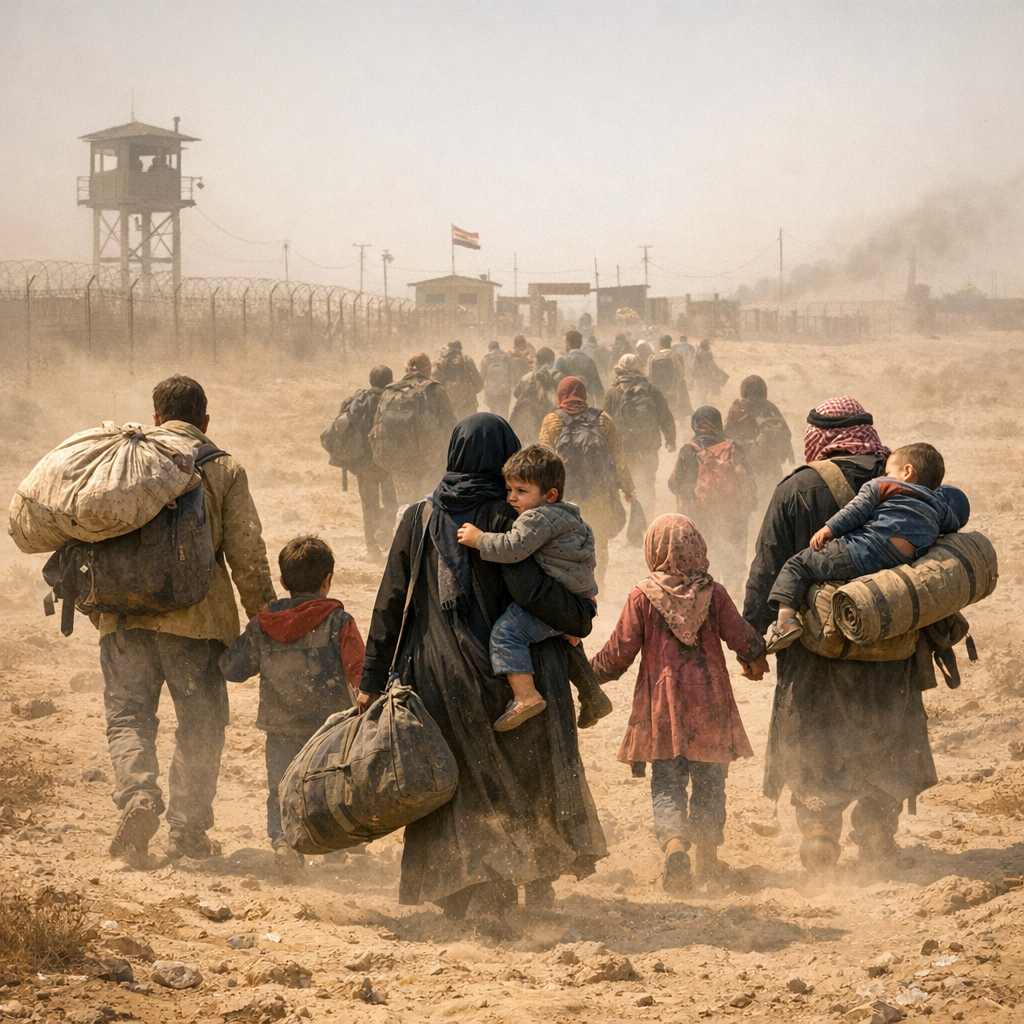
The latest Global Trends report from UNHCR shows a modest decline in the number of refugees worldwide: by the end of 2025, the total stood at 41.6 million—a drop of about 3% from 2024. Despite this, the number of people internally displaced within their own countries remains alarmingly high.
Returns to places of origin have increased, especially in Afghanistan, Sudan, and Syria. But many of these returns are taking place under difficult, even dangerous, conditions. Housing, essential services, and economic opportunities often fall short of what’s needed for safe, sustainable reintegration.
What’s Driving the Strain
Conflict escalation—particularly in the Middle East—as well as fragile governance, climate pressure, and economic instability are pushing more people to seek protection outside their homes. In some host countries, especially those with limited resources, the burden is growing heavier.
Global systems meant to support refugees and asylum-seekers are underfunded. One UNHCR briefing reported funding levels are only about a third of what’s required, which hampers aid, shelter, and protection operations.
Policy Shifts and International Coordination
In Europe, evolving asylum policies like migration pacts and agreements with neighboring countries are reshaping the landscape. The EU’s Pact on Migration and Asylum, now in effect, aims to smooth out border processing and enhance shared responsibility.
UN agencies emphasize that while refugees returning home is encouraging, returns must always be voluntary, safe, and dignified. Emerging “solutions from the start” programs seek to support host communities and displaced people simultaneously, rather than waiting for crises to grow.
Why This Matters for Us All
For communities here in Chaska and across Minnesota, international refugees mean more neighbors, more stories, and more opportunity—for enrichment, service, and shared responsibility. As global displacement continues, the question isn’t just how many are moving—it’s how we welcome them, how we support them, and how we acknowledge that displacement is not just “another country’s problem.”
The renewed focus on durable solutions, policy reform, and funding isn’t just humanitarian—it’s essential for global stability and human dignity. The refugee crisis doesn’t end with borders; it ripples across society, and its resolution takes cooperation everywhere.